

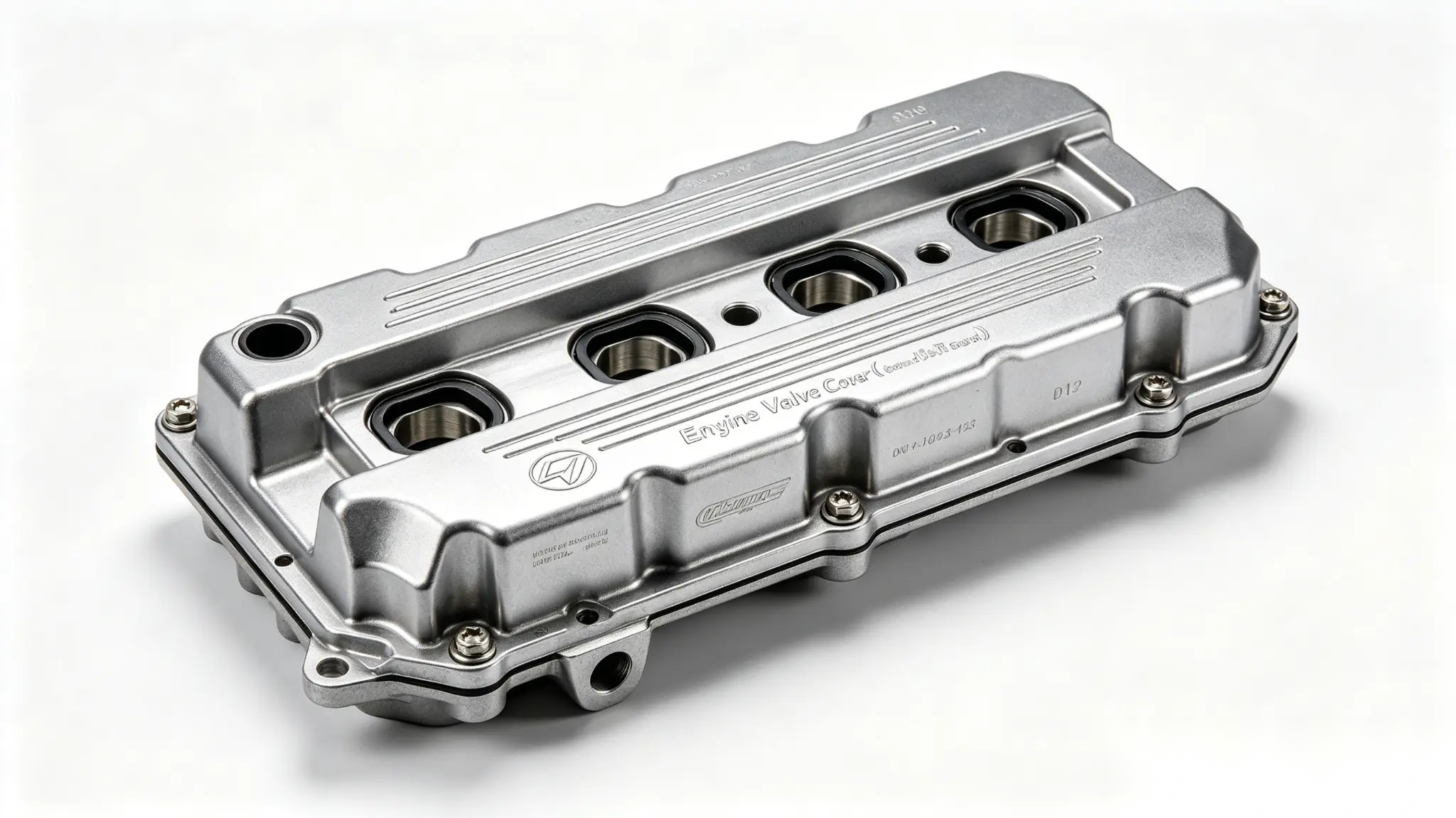
The Engine Valve Cover (often called the Rocker Cover) serves as the primary seal for the top of your engine. Its job is simple but critical: keep life-saving oil inside the engine and harmful contaminants out. When the cover or its gasket fails, it’s not just a messy leak; it’s a threat to your engine's health and safety. To ensure you are replacing a faulty Valve Cover and not just treating a symptom, follow this professional diagnostic approach.
Common Symptoms of Valve Cover Failure
Before beginning the technical teardown, look for these visual and sensory indicators:
- Visible Oil Leaks: Dark oil seeping down the sides of the engine block, often collecting near the spark plug wells.
- Burning Oil Smell: Oil leaking onto the hot exhaust manifold creates a thick, acrid scent.
- Engine Misfires: Oil leaking into the spark plug tubes can short out the ignition system, causing rough idling.
- Low Oil Levels: A persistent need to top off your oil between scheduled changes.
Phase 1: DIY Readiness & Systemic Exclusion
Step 0: DIY Readiness & Risk Audit
Assess your capability before picking up a wrench:
- Green Lane: On many 4-cylinder engines, such as those found in a 2015-2020 Honda Civic, the cover is easily accessible and requires only a standard socket set.
- Red Alert: For V6 or V8 luxury SUVs, the "rear bank" cover often requires removing the intake manifold or fuel rails. This is a high-risk task that may lead to vehicle damage if handled improperly.
Step 1: Systemic Exclusion (The "Root Cause" Check)
Ensure the engine environment is healthy to prevent a new seal from blowing immediately:
- PCV System: A clogged PCV valve creates high internal pressure that forces oil out of the valve cover gasket. Always check for P0171/P0174 codes and inspect hoses for oil residue.
- EGR Check: Ensure the EGR system isn't causing excessive heat that could warp a plastic cover.
Phase 2: Digital & Sensory Verification
Step 2: Digital Signal Analysis (DTC)
- Misfire Codes: Look for P0300-P0304. If oil has flooded the spark plug wells, it will cause ignition failure.
- Lean Codes: A cracked valve cover can act as a massive vacuum leak, triggering lean fuel trim codes.
Step 3: Sensory Verification (Sound & Smell)
- The Smell: A strong smell of burning oil confirms the leak is reaching the exhaust system.
- The Sound: Listen for a "hissing" sound. A crack in a plastic cover—a common issue on the 2014-2019 BMW X3 (N20 engine)—can create a vacuum leak audible during idling.
Phase 3: Visual Evidence & SKU Strategy
Step 4: Visual Ironclad Evidence
- "Black Soot" & Sludge: Look for heavy oil accumulation and dirt (sludge) around the mating flange.
- Spark Plug Well Check: Pull a spark plug wire or coil pack. If the boot is soaked in oil, the internal tube seals of the valve cover have failed.
- Cracks: Inspect plastic covers for hairline fractures, which are often the "smoking gun" evidence for a full cover replacement rather than just a gasket.
Step 5: Matching the Fix to the Failure (What to Buy)
Match your findings to the correct replacement strategy:
| Diagnostic Conclusion | Recommended SKU Strategy | Essential Accessories |
|---|---|---|
| Standard Leak: Gasket is weeping; cover is metal and unwarped. | Valve Cover Gasket Set | Spark plug tube seals, RTV sealant |
| Structural Failure: Plastic cover is cracked or warped; oil in plug wells. | New Valve Cover Assembly | New PCV valve, intake manifold gasket |
| High-Pressure Leak: PCV valve is clogged. | Repair PCV First, then replace cover. | Intake cleaner, new PCV valve |
Model Variations: Plastic vs. Aluminum
- Aluminum/Metal Covers: Common on older or heavy-duty vehicles. These rarely warp; usually, only the gasket needs replacement.
- Plastic/Composite Covers: Common on modern engines to save weight. These are prone to warping and cracking over time due to heat cycles. If your car has a plastic cover and is over 100,000 miles, replacing the entire assembly is the safer professional choice.
- V-Type Engines: Always remember that V6 and V8 engines have two covers. If one is leaking, the other likely isn't far behind.
By following this 6-step protocol, a standard practice for the technical team, you move from "treating the symptom" to "fixing the source," ensuring a professional-grade repair.